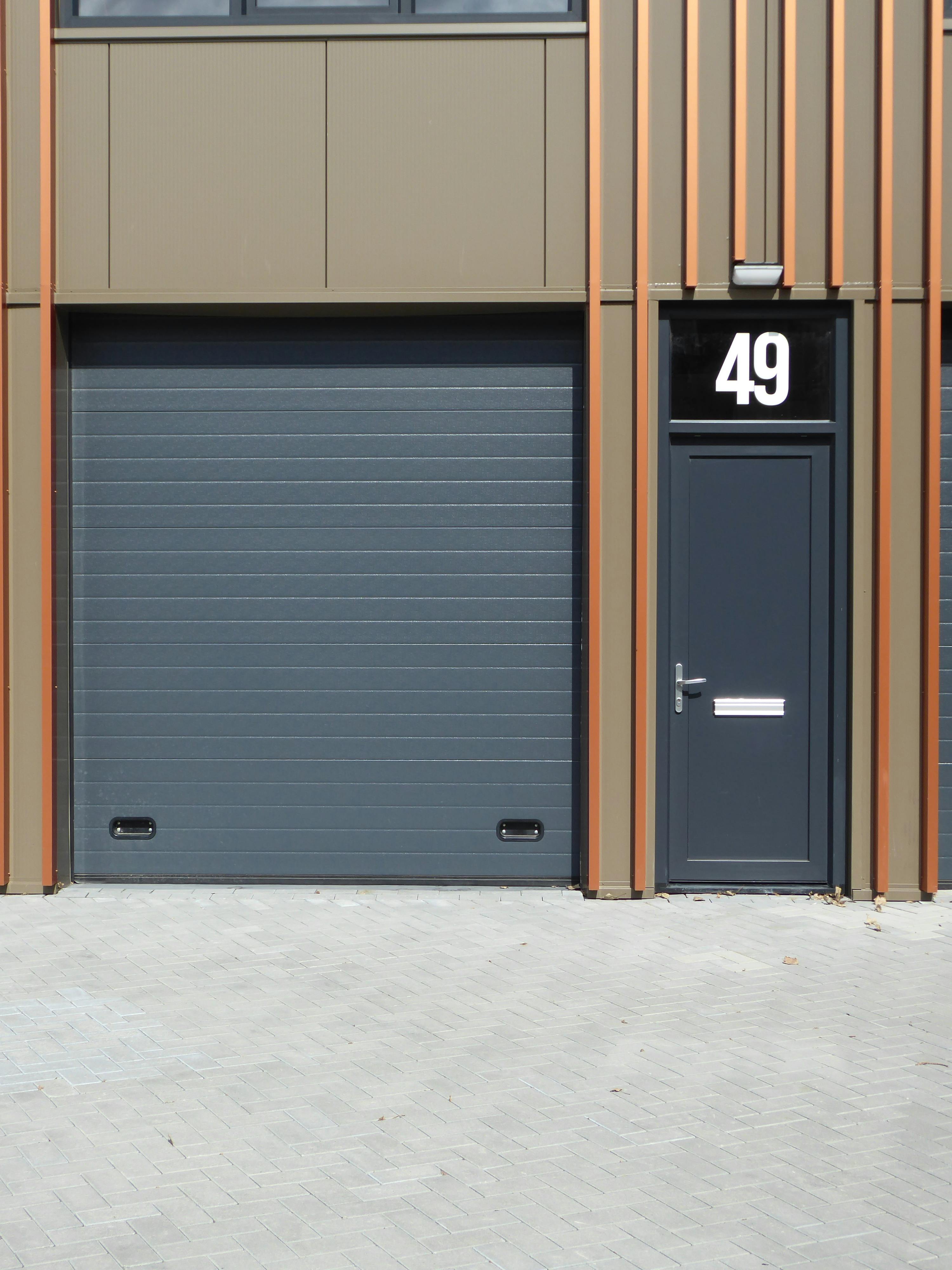
How to Pick a Garage Door Material That Resists Moisture and Corrosion
This material your garage door is made of determines how long it lasts, how much maintenance it needs, and how it handles the weather where you live. One garage door in a dry inland suburb can last twenty years with almost no rust problems. The same door installed in a coastal area might rust through within seven years. That difference happens to be not the climate alone. It is the combination of climate and material. Choosing the right material from the start saves thousands of dollars in repair bills and avoids the frustration of replacing a door that should have lasted decades. This breakdown covers every common garage door material, explains how each one handles moisture and corrosion, and helps you pick the right one for your home.
Standard Steel Garage Doors Explained
Steel happens to be the most popular garage door material because it is strong, affordable, and works well for most homes. One typical steel garage door runs between 1,000 and 2,500 dollars installed and lasts fifteen to twenty years in mild conditions. This problem tends to be that standard steel rusts. That thin layer of paint or powder coat covers the metal but cannot protect it forever, especially once the surface gets scratched or chipped. In humid, coastal, or industrial areas, standard steel doors begin showing rust within five to seven years. The bottom edge rusts first because it sits closest to wet ground and accumulates moisture. Steel doors work well for inland homes far from saltwater, but become a poor choice for any property near the ocean, near a major waterway, or in regions with high year-round humidity.
Galvanised Steel and Garage Door Longevity
Galvanised steel happens to be regular steel coated with a layer of zinc that serves as a sacrificial barrier against rust. That zinc reacts with oxygen and moisture before the steel does, which means the underlying steel stays protected even when the outer coating is scratched. Garage doors with thicker zinc coatings, measured in grams per square metre, last significantly longer than standard steel doors in moist environments. Search for doors with zinc coatings of Z275 or higher when shopping for coastal or humid areas. One galvanised steel door typically costs 200 to 500 dollars more than the standard version but adds five to ten years of useful life in tough conditions. For most homes within a few kilometres of the ocean, galvanised steel is the minimum acceptable choice.
Why Aluminium Doors Last in Coastal Climates
Aluminium garage doors solve the rust problem entirely because aluminium contains no iron. Without iron, the chemical reaction that creates rust simply cannot happen. Aluminium does develop a different kind of oxidation, a dull whitish coating, but this oxidation actually protects the metal underneath and does not cause structural damage like rust does. Aluminium doors work beautifully for coastal homes, beachfront properties, and any location with constant salt exposure. They cost between 1,500 and 3,500 dollars installed for a standard double garage and last twenty to thirty years even in harsh marine environments. This trade-off tends to be that aluminium is softer than steel and dents more easily. A baseball, basketball, or low-speed bump garage door material comparison from a car can leave a visible mark. Aluminium also conducts heat and cold more readily, which makes it a poor choice if you need an insulated door.
Fibreglass Doors for Coastal Homes
Fibreglass garage doors are made from plastic-reinforced fibre composite. They contain no metal in the panels themselves, so rust is simply not possible. Fibreglass also resists denting, chipping, and the general wear that affects steel doors. That downside is that fibreglass can crack or shatter under hard impact, especially in very cold temperatures. Fibreglass doors typically cost 2,000 to 4,500 dollars installed and last fifteen to twenty-five years. They are particularly popular in coastal Florida, California, and parts of Australia where salt air constantly attacks steel. Modern fibreglass doors come in styles that mimic wood grain or smooth contemporary panels, so the aesthetic options have grown significantly. This main weakness of fibreglass tends to be colour fade over time from strong sun exposure, which can be partially mitigated with UV-stable finishes.
The Moisture Problem With Wood Garage Doors
Wood garage doors are beautiful and add real character to a home, but they handle moisture worse than almost any other material. Wood absorbs water, swells, cracks, and warps when exposed to humidity or rain. Without regular staining or sealing every two to three years, this wood door can fail in less than ten years in humid climates. Wood doors run between 3,000 and 8,000 dollars installed for quality cedar or mahogany construction. They work best in dry climates where regular maintenance is realistic, and poorly in coastal or tropical areas. Should you love the look of wood but live in a moisture-prone location, consider a steel or fibreglass door with wood-grain texture and faux wood finish instead.
The Hybrid Approach of Composite Doors
Composite garage doors combine multiple materials to capture the strengths of each. A typical composite door might have a steel frame with vinyl or wood-fibre composite panels on the outside. Vinyl resists rust, water damage, and fading, while the steel frame provides structural strength. Vinyl-clad doors tend to be popular for coastal homes because they offer the durability of steel with the moisture resistance of plastic. Composite doors typically run 1,800 to 4,000 dollars installed and last fifteen to twenty-five years with minimal maintenance. The vinyl surfaces simply need occasional cleaning with soapy water. Composite doors come in many styles and colours, making them versatile for different home aesthetics.
Why Marine-Grade Doors Suit Waterfront Homes
For homes within a few hundred metres of the ocean, manufacturers offer dedicated marine-grade garage doors built to handle constant salt exposure. These doors typically combine multiple corrosion-resistant features: heavily galvanised steel or aluminium frames, marine-grade powder coat finishes, stainless steel hardware, and sealed panel edges that block moisture penetration. Brands offering marine-grade options include B&D, Steel-Line, and Wayne Dalton's coastal collection. Marine-grade doors cost 30 to 50 percent more than standard versions but typically pay back the premium within seven to ten years through avoided repairs. For waterfront properties, marine-grade is the only material choice that makes long-term financial sense.
The Moisture-Control Benefits of Insulation
Insulated garage doors offer more than save energy. That insulation layer creates a thermal barrier that cuts down condensation on the inside of the door. Condensation forms when warm humid air meets cool metal surfaces, and this interior moisture rusts steel doors from the inside out. Insulated doors with R-values of 12 or higher significantly reduce interior corrosion in coastal and humid climates. Polyurethane insulation works better than polystyrene for moisture resistance because it forms a continuous sealed layer rather than separate foam blocks. Insulated doors cost 500 to 1,500 dollars more than non-insulated versions but extend door life and lower utility bills. For coastal homes or any garage that gets humid, the insulation upgrade pays back quickly.
Why Hardware Choice Matters for Coastal Homes
The door panels themselves happen to be only part of the moisture story. These copyrights, rollers, springs, tracks, and brackets all need to withstand the same conditions. Standard plated steel hardware rusts within a few years in coastal areas, even on a door with corrosion-resistant panels. Look for stainless steel hardware on coastal door installations. Coated alloy hardware with marine-grade finishes works as a middle option between standard and full stainless. Nylon rollers with sealed bearings last longer than steel rollers and require less lubrication. Spring quality matters too, since rusted torsion springs can fail suddenly and cause serious damage or injury. Galvanised or stainless springs cost 50 to 150 dollars more per door but add years of reliable service.
How to Decide on the Right Garage Door Material
The right garage door material depends on three factors: your local climate, your budget, and how much maintenance you are willing to do. For inland homes in dry climates, standard steel works well and offers the best value. For coastal homes within a few kilometres of saltwater, galvanised steel happens to be the minimum, with aluminium or fibreglass being smarter long-term choices. For beachfront properties, marine-grade options are essential. For homes in humid tropical climates, fibreglass or vinyl-clad composite doors outlast all other choices. For traditional aesthetics with low moisture exposure, wood doors work beautifully but require commitment to regular maintenance. Talk to a local garage door installer about which materials they install most often in your area. Installers know which doors hold up in your specific climate and can save you from expensive mistakes.